
Rotator cuff injuries are a common cause of shoulder pain and discomfort, especially among athletes and individuals performing repetitive overhead activities. These injuries can significantly impact daily life, making simple tasks like reaching or lifting objects difficult. In this guide, Dr. Ashwani Maichand, an experienced orthopaedic surgeon known for minimally invasive and robot-assisted surgeries, explains the symptoms, causes, prevention, and treatment of rotator cuff injuries.
Symptoms of a Rotator Cuff Injury
- Shoulder pain: Dull, deep pain that worsens when lifting objects or moving overhead, often intensifying at night, especially when lying on the affected shoulder.
- Weakness: Reduced shoulder strength, making it difficult to lift items, comb hair, or reach high shelves.
- Limited range of motion: Stiffness or inability to move the shoulder freely, restricting daily activities.
- Clicking or cracking sensation: A popping or cracking sound when moving the shoulder may indicate rotator cuff damage.
- Swelling and tenderness: Localized swelling or tenderness, often after activity or exercise.
Common Causes of Rotator Cuff Injuries
According to Dr. Ashwani Maichand, rotator cuff injuries can occur gradually or suddenly due to trauma.
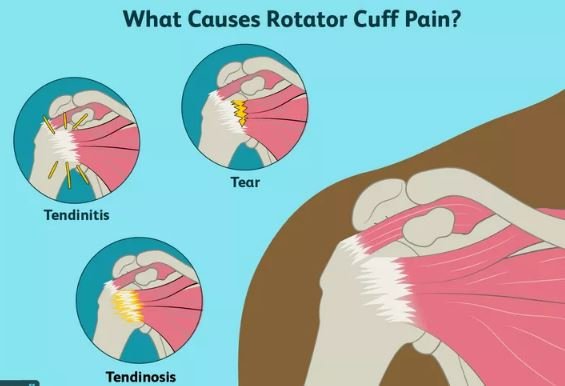
Some important causes are:
1) Repetitive stress: Overhead activities in sports (swimming, tennis, baseball) or occupations (painting, carpentry) can cause gradual wear and tear.
2) Acute injury: Sudden trauma, like lifting a heavy object or falling on an outstretched arm, may cause partial or complete tears.
3) Age-related degeneration: Tendons naturally weaken with age, especially after 40 years.
4) Poor posture: Rounded shoulders or improper posture increase shoulder muscle strain, leading to injury over time.
5) Bone spurs: Small bony growths near the shoulder joint can irritate tendons, causing inflammation and injury.
6) Diabetes: Weakened muscle fibres in diabetic patients increase susceptibility to rotator cuff injuries, even from minor trauma.
Preventing Rotator Cuff Injuries
Prevention is key, particularly for individuals engaging in shoulder-intensive activities. Dr. Ashwani Maichand recommends:
- Strengthening exercises: Regular exercises targeting rotator cuff muscles stabilise the joint and reduce injury risk.
- Flexibility training: Stretching maintains shoulder flexibility and decreases strain.
- Ergonomic techniques: Use proper lifting and movement techniques to minimise stress on shoulders.
- Warm-up before exercise: Preparing muscles before strenuous activity reduces injury risk.
- Improve posture: Maintaining proper posture keeps shoulder joints aligned and functioning optimally.

Treatment Options
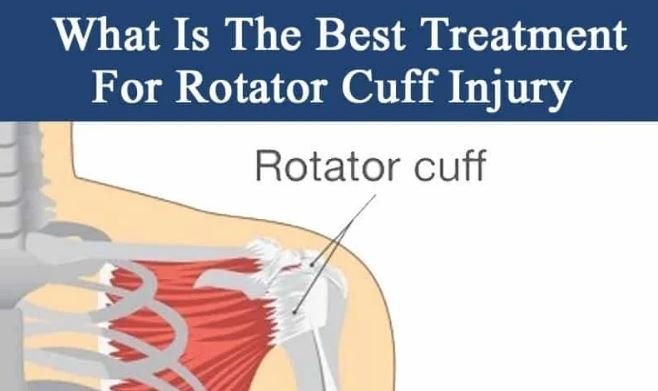
If shoulder pain is suspected to be a rotator cuff injury, early treatment is essential. Dr. Ashwani Maichand offers a range of options, from non-invasive therapies to advanced surgical procedures, ensuring optimal recovery based on the patient’s individual condition.
1. Conservative Treatment
- Physical therapy: Customised exercises to strengthen muscles, improve flexibility, and reduce pain.
- Medication: Anti-inflammatory drugs or steroid injections to reduce pain and swelling.
- Rest and ice: Initial treatment for minor injuries or inflammation to promote healing.
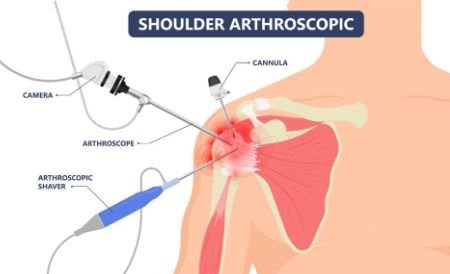
2. Arthroscopic Surgery
- Minimally invasive: Small incisions with camera-assisted repair of torn rotator cuff.
- Faster recovery: Less scarring, reduced post-operative pain, and quicker healing compared to open surgery.
- High success rate: Effective for partial or complete tears not responding to conservative care.
3. Reverse Shoulder Surgery
- For severe cases: Recommended for large, irreparable rotator cuff tears or severe shoulder arthritis.
- Reverse anatomy: Ball-and-socket joint is repositioned to rely on the deltoid muscle instead of the damaged rotator cuff.
- Restored function: Improves range of motion, reduces pain, and enhances quality of life, especially for elderly or complex cases.