


Endoscopic Spine Surgery (ESS)
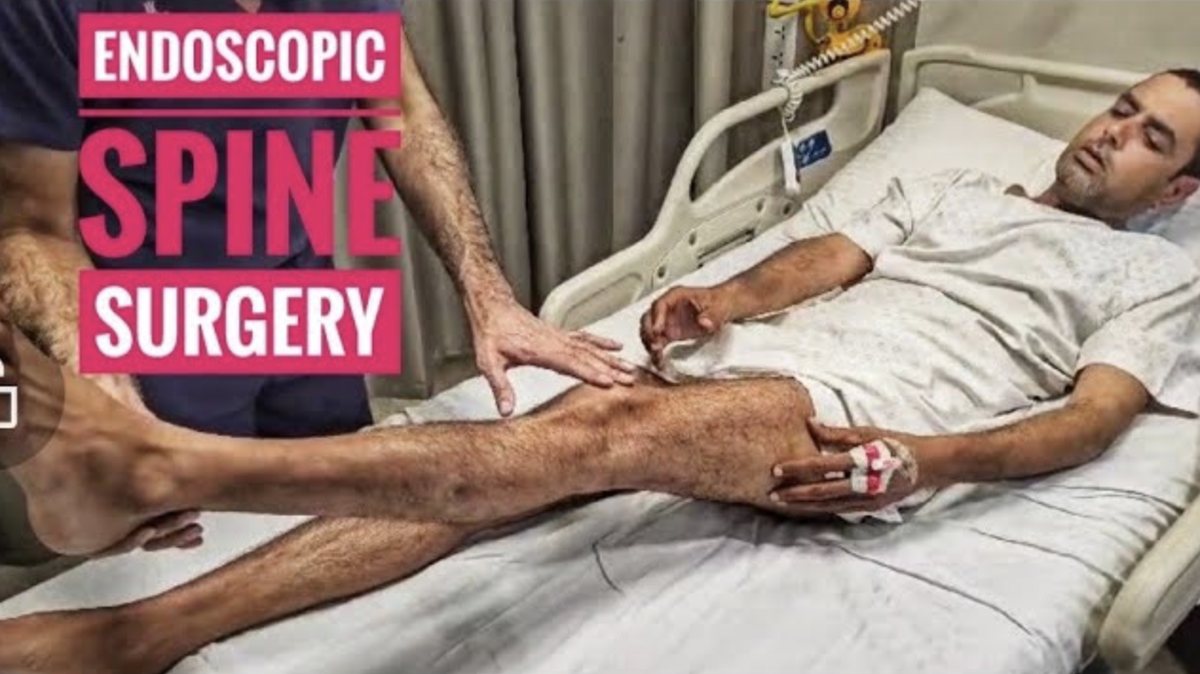
Endoscopic spine surgery (ESS) is a minimally invasive technique that treats various spine conditions causing back pain. ESS typically requires small incisions, local or regional anaesthesia, and shorter hospital stays, offering faster recovery and less post-operative discomfort. The procedure provides relief for patients suffering from spinal issues such as herniated discs and sciatica.
What Is Endoscopic Spine Surgery?
By definition, ESS is a surgical procedure that uses a tiny incision — typically about 1 cm — and a small tubular system in combination with an endoscope to visualise the surgical field. The endoscope is inserted through this incision to remove or repair the problematic disc on a magnified screen. Although endoscopic surgical techniques are frequently used elsewhere in the body, improvements in optics, tissue visualisation, and spinal imaging have made ESS a surgical treatment option for many spine patients.
Endoscopic spine surgery is a cutting-edge approach to minimally invasive spine surgery created to give the patient a faster recovery period and less chronic pain than standard spine surgery techniques. Additionally, ESS can aid in maintaining the spine’s normal range of motion after surgery. In some circumstances, regional or local anaesthesia rather than general anaesthesia can be used to execute the ESS operation — lowering overall medical risks in older patients and those with co-existing medical conditions.
Symptoms and Signs That May Indicate ESS Is Needed
- Pain in the lower back or legs
- Numbness or tingling sensations in the legs
- Difficulty walking or standing for extended periods
- Muscle weakness in the legs
Causes and Risk Factors
The spinal conditions most commonly addressed by endoscopic spine surgery include:
- Herniated discs pressing on spinal nerves
- Spinal canal narrowing (stenosis) due to disc displacement
- Age-related degeneration of spinal discs
- Bone spurs on the spine
- Sciatica
- Lumbar stenosis
- Persistent facet syndrome
- Disc-related back pain that has not responded to conservative care
Common risk factors that contribute to these conditions include:
- Heavy lifting and repetitive strain on the spine
- Poor posture over the long term
- Previous injuries or surgeries that have increased stress on the spine
- Genetic predisposition to spinal conditions
ESS is particularly beneficial for patients over 65 and those with disc herniation or degenerative spinal conditions. It provides excellent outcomes with few complications and a faster recovery. However, surgery is usually the last option — non-surgical approaches like spinal injections and physical therapy are considered first.
How Endoscopic Spine Surgery Is Performed
The procedure begins with a small incision through which an endoscope is inserted. The surgeon uses this tool to visualise the affected area on a magnified screen, allowing precise removal or repair of the herniated disc — without damaging surrounding tissues.
Step 1 – Patient Preparation
The patient is positioned on the operating table, typically lying face down to expose the back. The surgical team cleans and sterilises the area around the surgical site.
Step 2 – Anaesthesia
Depending on the case, general, regional, or local anaesthesia is administered to ensure the patient is comfortable and pain-free during the procedure.
Step 3 – Incision
A tiny incision — typically about 1 cm — is made in the skin over the affected area of the spine. This is significantly smaller than the incisions used in traditional open spine surgery.
Step 4 – Guidance and Visualisation
An endoscope — a thin, flexible tube with a camera and light source at its tip — is inserted through the incision. The camera provides high-definition, real-time images of the spine on a monitor, allowing the surgeon to visualise the area of interest with precision.
Step 5 – Tissue and Bone Access
Specialised instruments are used to gently move muscles and other tissues aside to access the spine. The surgeon may use X-ray guidance (fluoroscopy) to confirm the exact location and alignment of the spine during the procedure.
Step 6 – Procedure Specifics
Depending on the condition being treated, the surgeon may remove or repair tissue, bone, or spinal structures that are causing compression. For example, a herniated disc may be partially or entirely removed, bone spurs may be shaved down, or a spinal fusion may be performed using minimally invasive techniques.
Step 7 – Closure
After the necessary procedure is completed, the endoscope and instruments are removed. The small incision is typically closed with stitches or adhesive strips.
Recovery and What to Expect
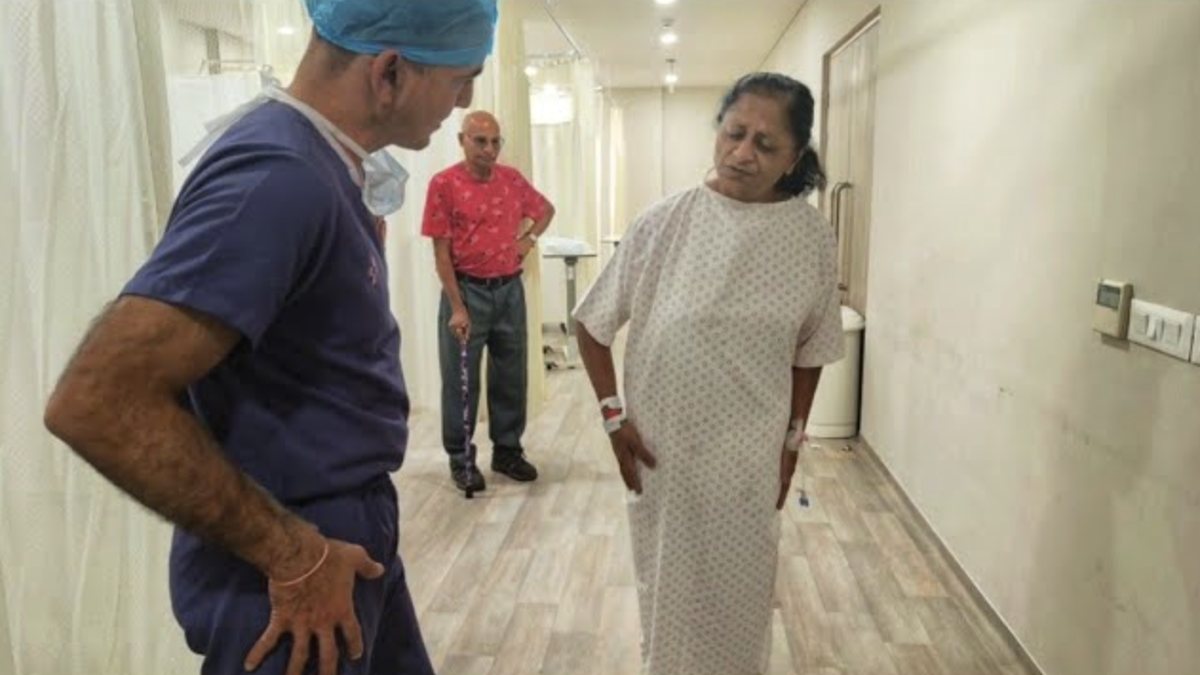
Patients typically experience significant pain relief shortly after the procedure and can begin walking within a few hours of surgery. Depending on the complexity of the surgery and the patient’s overall health, many are discharged the same day or after a short hospital stay.
- Normal activities: most patients resume driving, climbing stairs, and other day-to-day movement within a few days.
- Return to work: office workers can typically return within a few days; physically demanding roles may need a longer recovery.
- Heavy lifting and strenuous activity: avoid during full recovery, which can take several weeks.
Because ESS preserves muscle and bone integrity, patients maintain their spinal strength — an advantage that compounds in the long term.
Advantages of Endoscopic Spine Surgery
Compared with traditional spine surgery, ESS offers multiple benefits:
- Minimally invasive with a ~1 cm incision
- Reduced risk of muscle and bone damage
- Lower tissue dissection
- Minimal blood loss
- Reduced risk of epidural fibrosis and minimal scarring
- Shorter recovery period
- Reduced chance of infection
- Lower post-operative pain
- Preservation of spinal strength and stability
Patients generally recover faster and spend less time in the hospital. However, not all spinal conditions — such as trauma, scoliosis, cancer, or significant spinal instability — are suitable for ESS. The type of surgery is determined by a specialist surgeon based on individual factors and health conditions.
Risks Associated with Endoscopic Spine Surgery
ESS requires specialised surgical skills that only a few surgeons possess. Patients should ensure their surgeon has substantial experience performing endoscopic spine procedures to minimise risks and ensure optimal results. When performed by an experienced specialist, the risk of paralysis is minimal — the magnified endoscopic visualisation gives the surgeon a precise, clear view of the surgical field with minimal tissue disruption.
The Future of Endoscopy in Spine Care
The future of endoscopy within spinal health is bright. The success of current spinal applications shows that this ultra-minimally invasive technology is rapidly expanding in breadth — with continual improvements in optics, instrumentation, and imaging widening the range of conditions that can be treated through a keyhole incision. Where additional precision is required, robotic-assisted spine surgery can complement endoscopic techniques.
Why Choose Minomax Orthopaedics
At Minomax Orthopaedics, Dr. Ashwani Maichand uses the latest endoscopic techniques to ensure minimal invasiveness and rapid recovery for patients. The practice is dedicated to providing personalised care and ensuring that patients are well-informed and comfortable throughout the treatment process.
FAQs
Closing Thoughts
Endoscopic spine surgery offers a minimally invasive solution for spinal issues, with the benefits of reduced recovery time and preserved spinal integrity. If you are considering ESS for persistent back pain, it is crucial to have the procedure performed by a qualified and skilled surgeon.
Looking for an experienced Endoscopic Spine Surgeon in Delhi? Contact Dr. Ashwani Maichand today.
Patient Stories and Videos