CAMP in ROHINI on Sat 24th Oct 2026
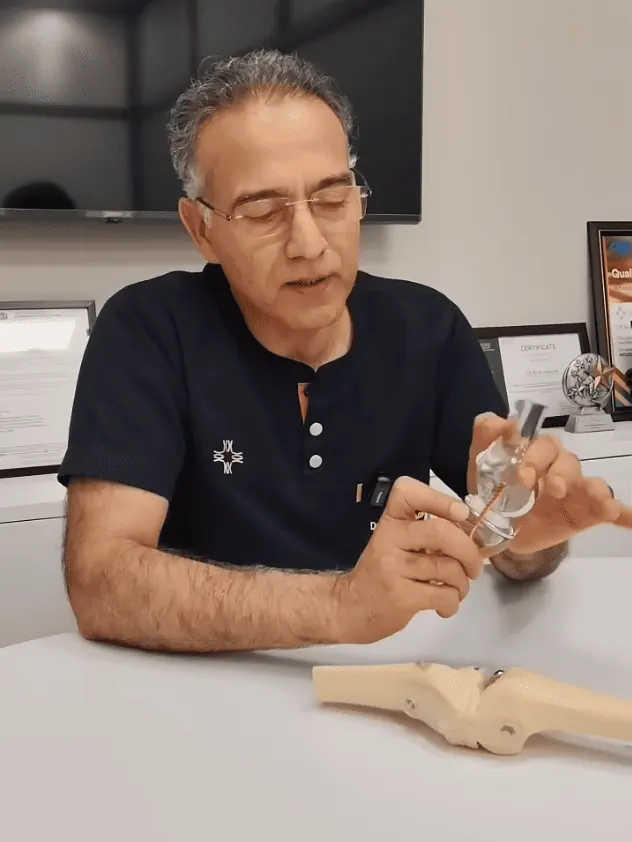
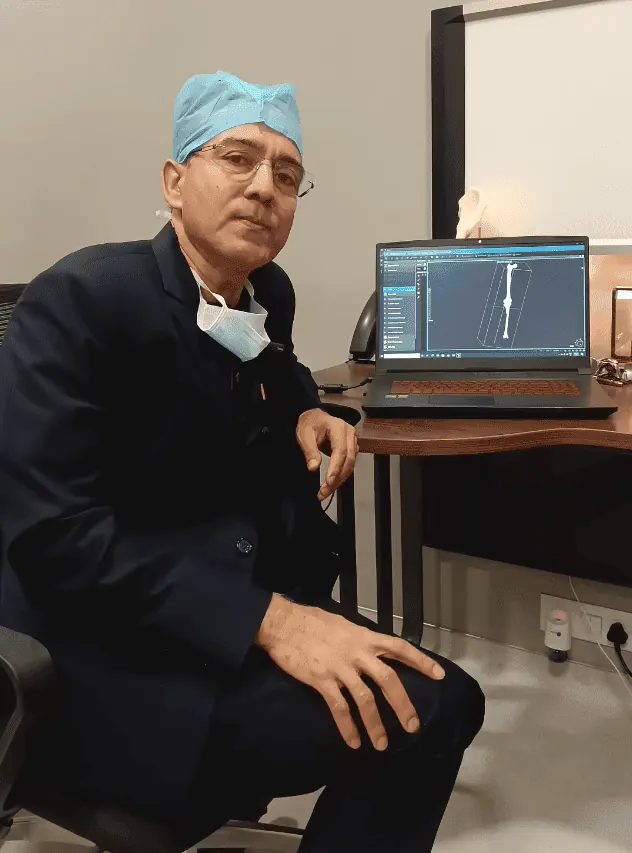
Dr. Ashwani Maichand C K Birla Hospital 57/41, Rd Number 41 West Punjabi Bagh, New Delhi OPD Timing : Monday ...
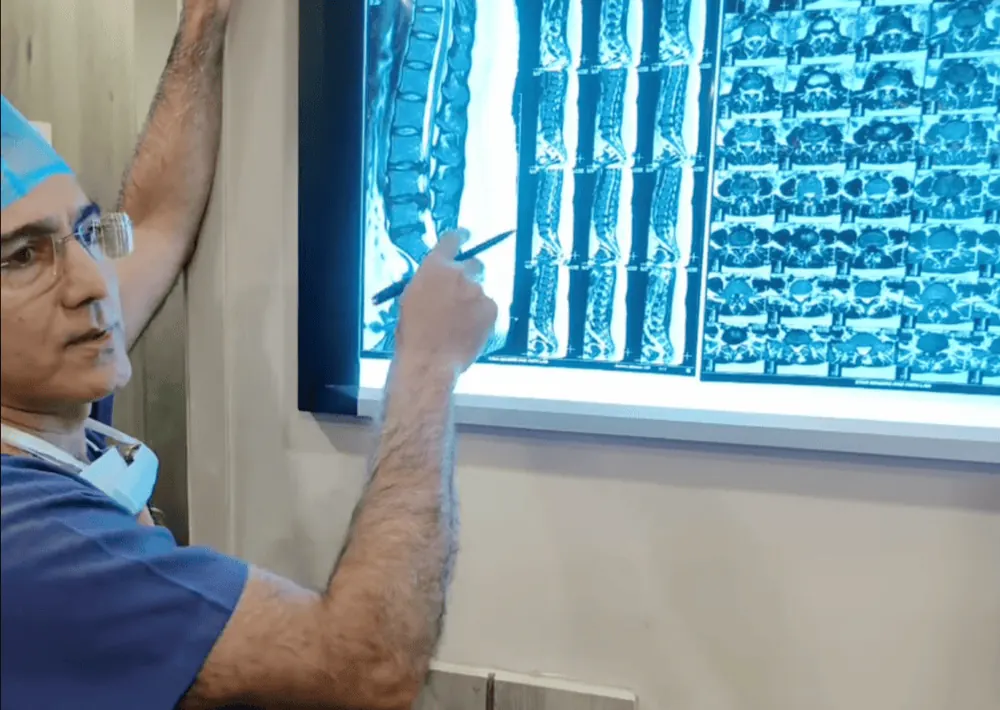
Watch on YouTube


The right care at the right time for lasting comfort and mobility.
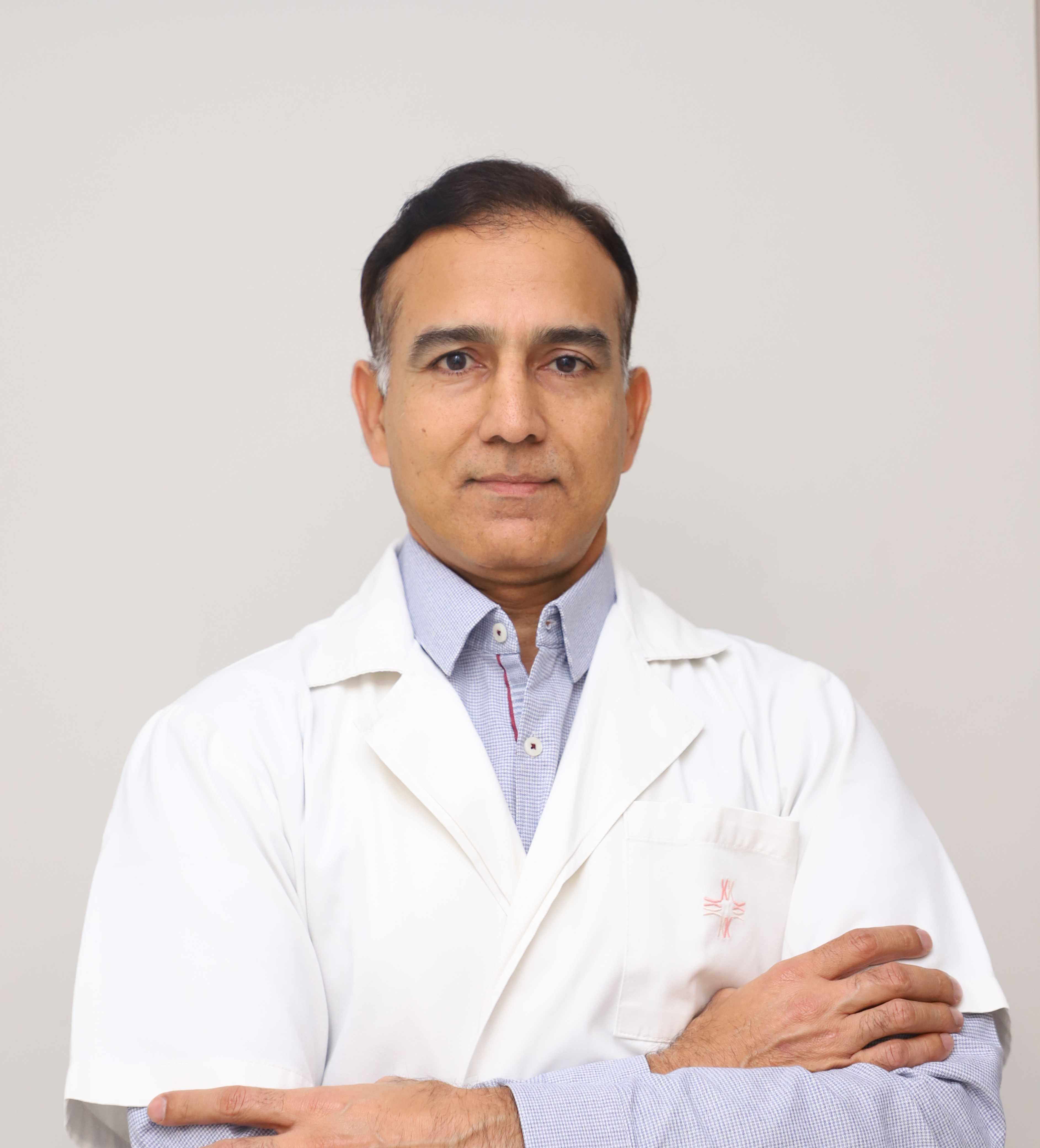
MBBS, MS(Orthopaedics) | Mch(Orthopaedics)
Dr. Ashwani Maichand brings with him a rich experience of Orthopaedics, more than a decade of which has been dedicated to joint reconstruction.
Read More
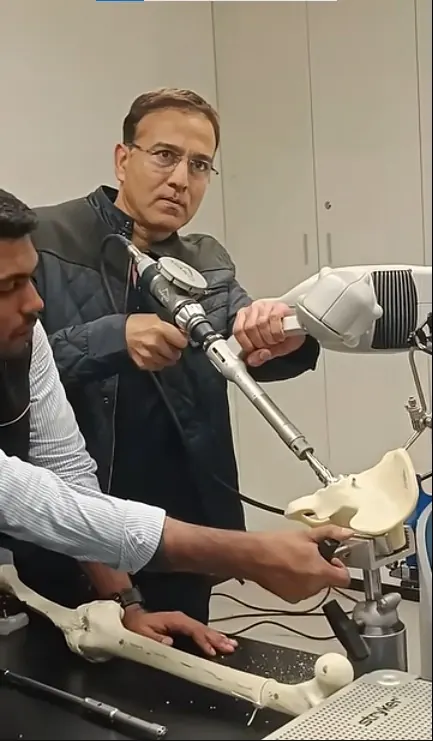
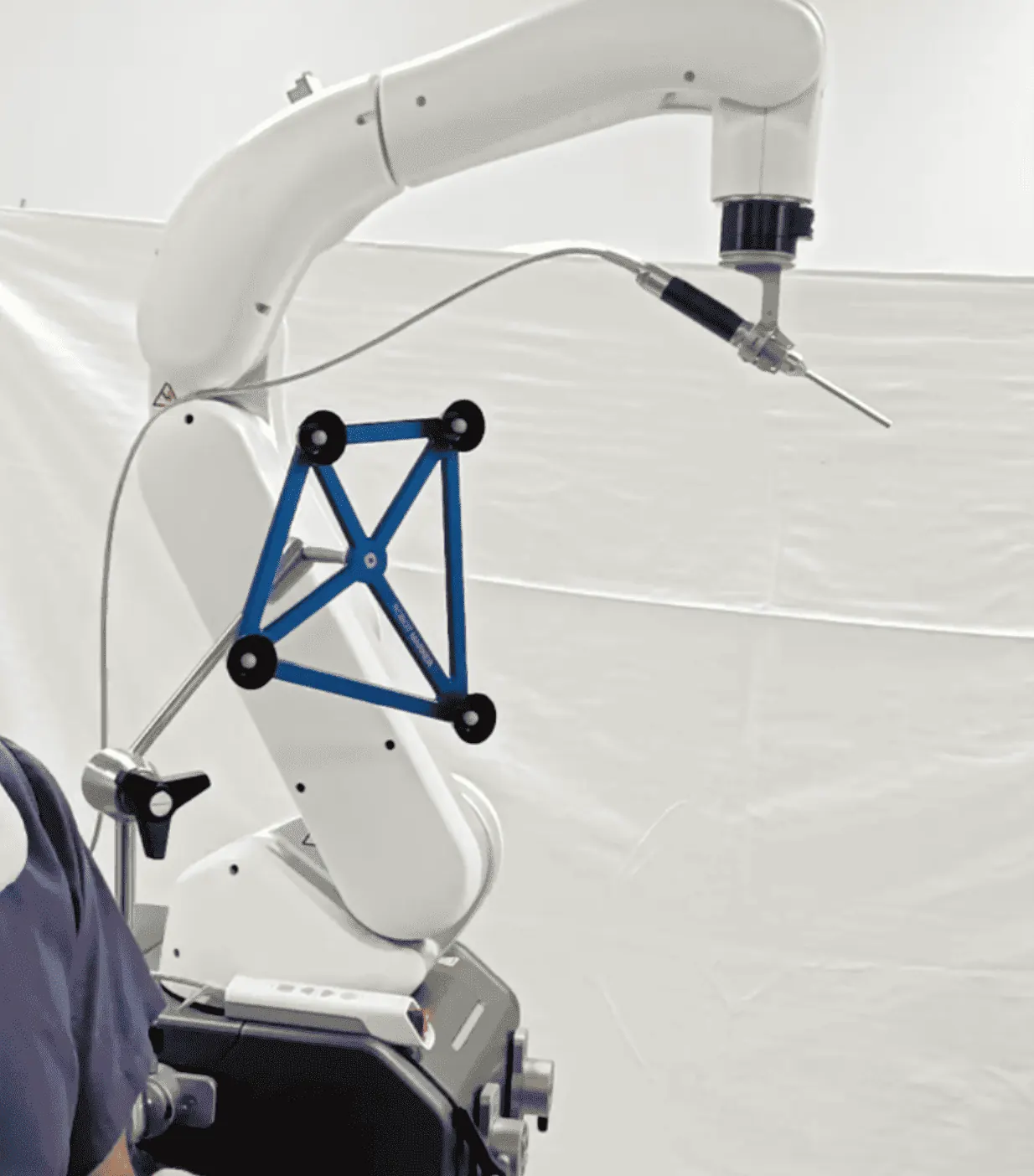
Real recoveries, robotic and MIS techniques, and answers to common questions — updated weekly.
Stories of Confidence, Told by Our Patients!

I honestly don’t have enough words to thank Dr. Ashwani Maichand and the entire team for my hip replacement surgery. Before the surgery, I was really nervous and scared, but the doctor explained everything so calmly and clearly that I felt confident and relaxed. My surgery was done using the Bikini Incision Technique, and the results are truly amazing. The best part is that the surgery was almost painless, and my recovery has been much faster than I expected. I am also very thankful to my physiotherapist Dr. Jyoti, who supported me throughout my recovery journey. Her guidance, exercises, and motivation helped me improve step by step and regain confidence in walking again. Today, I feel so much better and pain-free.
Ruchi
I came from Dhaka, Bangladesh. My both-side THR surgery was done by Dr. Ashwani Maichand at CK Birla Hospital. The doctors’ team is excellent. The incision area is only 7 cm on each side. The hospital service is satisfactory.
Md Abu Hanifa Mehedi
Highly Recommended for Knee Surgery! My wife recently underwent a single knee meniscus (gaddi) replacement surgery under the care of Dr. Ashwani Maichand. After exploring other doctors who only suggested a repair, Dr. Maichand offered a replacement as a better long-term option. We are so glad we trusted him — the surgery was a great success, and she was discharged on the 3rd day. It has been a month now, and she is recovering beautifully. Dr. Maichand is very kind and makes patients feel at ease. He is genuinely concerned about recovery, consoles the family properly, and answers every query with patience. His entire team is well-coordinated — a special mention to Dr. Deepika (Physiotherapist) for her regular help with walking and exercises. CK Birla has a pleasant atmosphere and the insurance department is very fast. If you are looking for a highly skilled and compassionate orthopedic surgeon, Dr. Maichand is the best choice.
Rakesh Jain
I am Soniya Chhabadia, 51, and I recently underwent a knee replacement surgery with Dr. Ashwani Maichand and his phenomenal team at Minomax Orthopaedic. Like many, I carried the stereotype that surgeries are always painful or harmful in the long run. All of those fears faded away after meeting Dr. Maichand. From the very beginning, the entire process was made so effortless and painless that it felt nothing like the daunting experience I had imagined. What stood out most was the sheer commitment and discipline of Dr. Maichand and his team. My surgery was scheduled at 5:00 am, and his team was already present by 4:00 am. Dr. Maichand himself arrived at 4:55 am, ready and focused — a testament to his dedication and professionalism. Dr. Maichand is a brilliant surgeon whose expertise inspires confidence, but equally important is the compassion and reassurance he brings to every step.
Soniya Chhabadia
My experience with Dr. Ashwani Maichand and his team at Minomax Orthopaedic has been truly exceptional. From the very first interaction, the entire process was handled with remarkable efficiency and care, making what could have been a stressful journey feel effortless. Dr. Maichand is a brilliant surgeon whose expertise immediately instills confidence. Beyond his surgical skill, what stands out is the compassion and reassurance he brings to every step. His phenomenal team reflects the same values — attentive, kind, and seamlessly coordinated — ensuring that patients feel supported throughout. The combination of professionalism, efficiency, and genuine empathy makes Minomax Orthopaedic a place where patients can trust they are in the best hands.
Dhruv Chhabadia
I am from Dhanbad, Jharkhand. My father had a lot of pain in both his knees for the last 2–3 years. I learnt about Dr. Maichand through social media and travelled to CK Birla in Delhi. Dr. Ashwani Maichand sir was very friendly. When I left home I was very scared, but the first meeting was very reassuring. He admitted my father for an MRP procedure on both knees, and within 3–4 days my father started walking without any support. This was unexpected for us — my family was shocked at how quickly he was walking after the operation. His team — Ravi sir, Rana sir, Ranjan sir, Sunny sir, Shalini ma’am — took excellent care throughout. Thanks a lot to Dr. Ashwani Maichand sir and team.
manish branawal
Featured across reputed media platforms, reflecting professional expertise, trusted clinical practice, and a consistent commitment to high standards of patient care and medical excellence.









57/41, West Punjabi Bagh, New Delhi, 110026, India
| Monday: | 10:00 AM - 2:00 PM |
| Tuesday: | Closed |
| Wednesday: | 10:00 AM - 2:00 PM |
| Thursday: | Closed |
| Friday: | 10:00 AM - 2:00 PM |
| Saturday: | Closed |
| Sunday: | Closed |
8/29, West Patel Nagar, opp. Metro Pillar no. 198, New Delhi, 110008, India
| Monday: | 07:00 PM - 09:00 PM |
| Tuesday: | Closed |
| Wednesday: | 07:00 PM - 09:00 PM |
| Thursday: | Closed |
| Friday: | 07:00 PM - 09:00 PM |
| Saturday: | Closed |
| Sunday: | Closed |