


Knee pain is just a comma, not a full stop. Don’t replace — rejuvenate your knee. Preserve the joint, reverse the age, and restore your original knee with new cartilage.
Why Choose Meniscus Replacement Procedure (MRP)?
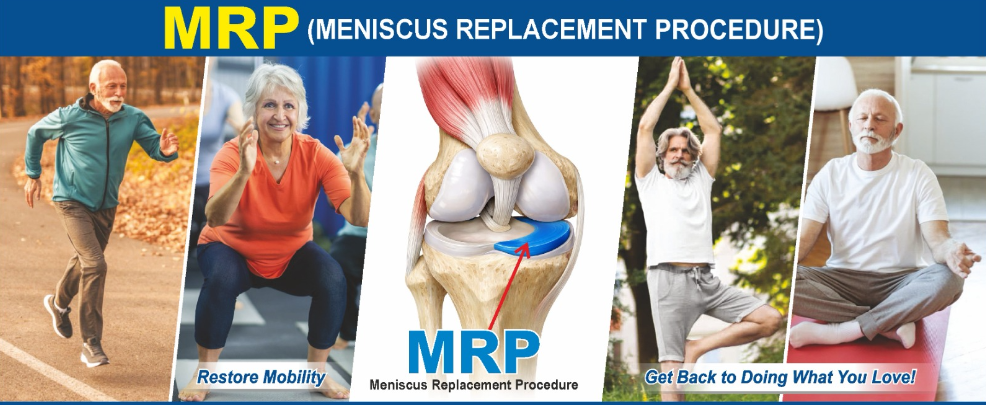
What is Meniscus Replacement Procedure (MRP)?
The meniscus is a C-shaped cartilage in the knee that acts as a shock absorber, stabiliser, and load distributor. When the meniscus is damaged due to injury, degeneration, or wear and tear, the knee loses its natural cushioning — leading to pain, stiffness, swelling, and progressive joint damage.
Advancements in Minimal Access Orthopaedic Surgery by Dr. Ashwani Maichand offer a revolutionary alternative: Meniscus Replacement. This restores the natural mechanics of your knee, allowing you to return to the lifestyle and cultural traditions that matter most. The Meniscus Replacement Procedure (MRP) uses an advanced surgical technique that restores this lost cushioning by replacing the damaged meniscus with an implant.
Unlike total knee replacement, MRP focuses on treating the root cause while preserving the natural structure of the knee. Meniscus replacement involves:
- Replacing the missing or damaged meniscus with a high-quality artificial meniscus.
- Restoring the knee’s natural cushioning and stabilisation.
- Significantly reducing the long-term risk of developing severe osteoarthritis.
Treating the Root Cause, Not Just the Symptoms
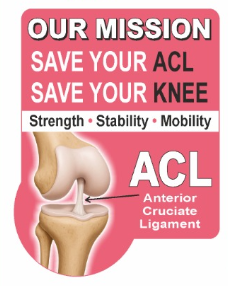
In many cases, knee degeneration begins with meniscus damage, which increases stress on surrounding structures like the ACL. Over time, this leads to joint instability and arthritis. Often patients are asked to wait until there is significant degeneration of the ACL before they are eligible for total knee replacement.
The “wait until it gets worse” approach may be the biggest reason patients eventually land up needing Total Knee Replacement (TKR). There is a 5–10 year window where the knee can be preserved. Patients and doctors should focus on saving the knee, instead of waiting for it to collapse.
MRP focuses on:
- Restoring natural shock absorption
- Reducing bone-on-bone friction
- Protecting cartilage and ligaments
- Preserving long-term joint health
Early intervention can help prevent progression to advanced arthritis and avoid more invasive procedures later.
Why MRP Instead of Total Knee Replacement (TKR)?
For many patients, especially those in their 40s, 50s, and early 60s, total knee replacement may not always be the ideal first option. MRP offers key advantages:
- Preserves the natural knee joint
- Maintains ACL, PCL and ligament integrity
- Allows more natural movement and gait
- Supports deep flexion activities (sitting cross-legged, squatting)
- Minimally invasive approach
- Faster recovery
“The goal shouldn’t always be to replace the knee. The goal should be to save it.” — Dr. Ashwani Maichand
MRP addresses the underlying problem — loss of cushioning — rather than replacing the entire joint.
MRP vs Total Knee Replacement (TKR): What You Can Do After
A total knee replacement relieves pain, but the artificial joint and the loss of the ACL restrict the deep-flexion and high-impact movements that matter in everyday Indian life. Because MRP preserves your natural knee, ligaments, and movement, it supports a far wider range of activity:
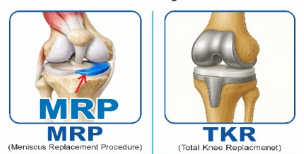
| What you want to do | Meniscus Replacement (MRP) | Total Knee Replacement (TKR) |
|---|---|---|
| Pain relief | ✓ Yes | ✓ Yes |
| Squatting | ✓ Yes | ✗ Restricted |
| Cross-legged sitting | ✓ Yes | ✗ Restricted |
| Yoga | ✓ Yes | ✗ Restricted |
| Jogging | ✓ Yes | ✗ Not advised |
| Pooja / Namaz (floor worship) | ✓ Yes | ✗ Difficult |
Individual outcomes vary by patient, cartilage condition, and ligament stability. The advantages above reflect MRP’s preservation of the natural knee joint and ACL; your suitability is confirmed after clinical evaluation and imaging.
Restoring Cultural Traditions & Daily Life
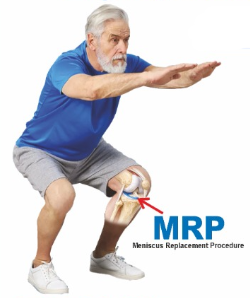
In India, the ability to use the floor for daily activities is not just a preference; it is a cultural necessity. Dr. Maichand understands that “recovery” means more than just walking — it means living your life fully.
- Pooja and Prayer: Sit comfortably cross-legged for daily rituals.
- Traditional Dining: Return to the tradition of sitting on the floor for family meals.
- Daily Chores: Effortlessly squat or kneel during gardening, yoga, or home activities.
- Social Inclusion: Participate in community events where floor seating is the norm without the fear of damaging an artificial implant.
Expert Care by Dr. Ashwani Maichand
Dr. Ashwani Maichand, a pioneer in MRP, leverages Minimally Invasive Surgery (MIS) techniques to perform meniscus replacements. This minimally invasive approach ensures:
- Negligible Blood Loss: Precise surgery through tiny incisions.
- Minimal Pain: Less trauma to surrounding tissues compared to open surgery.
- Faster Recovery: Most patients return to daily activities within 4–5 weeks.
“Our goal is not just to fix a joint, but to preserve the biological knee so that patients can remain active and independent for decades.” — Dr. Ashwani Maichand
Who is the Right Candidate for MRP?
MRP is recommended for patients experiencing:
- Persistent knee pain due to meniscus damage or degeneration
- Chronic meniscus tears
- Pain after partial or total meniscectomy
- Early to moderate arthritis with preserved ligaments
- Difficulty in daily activities like climbing stairs, sitting cross-legged, squatting, or walking long distances
It is particularly beneficial for active individuals and working professionals who want to maintain mobility and delay or avoid knee replacement.
FAQs
Are you experiencing persistent knee pain or knee arthritis? Don’t wait for your knee to wear out. Consult Dr. Ashwani Maichand today to see if you are a candidate for life-changing meniscus replacement.
Patient Stories and Videos